
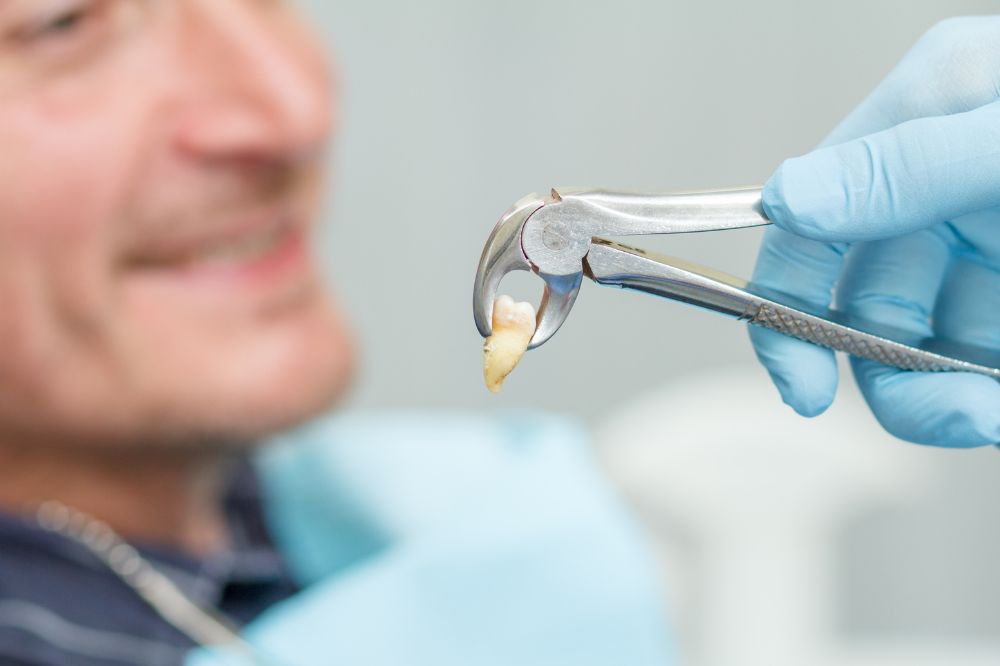
A blow to the mouth can damage a tooth beneath the surface, even when the visible injury seems minor. Depending on the impact, the tooth may develop a crack, loosen, or sustain damage to its root or supporting bone. A dentist in South Miami can assess the injury and determine whether the tooth can be preserved or needs further treatment. Understanding the extent of the damage, the available treatment options, and the risks of delaying care can help you make informed decisions about your oral health.
What Happens When A Tooth Is Injured?
Dental trauma can range from a small chip to a fracture extending below the gumline. An impact may also damage the pulp, which contains nerves and blood vessels, or affect the tissues holding the tooth in place. Some complications become noticeable only days or weeks later. An assessment may include checking the tooth’s position, movement, surrounding gums, and response to testing. X-rays may help identify root or bone damage. Follow-up examinations are sometimes necessary because pulp damage may develop gradually, even when initial symptoms are limited.
When Can An Injured Tooth Be Saved?
The appropriate treatment depends on the type and severity of the injury. Options may include bonding a chipped area, restoring a fracture, stabilising a loose tooth, or performing root canal treatment when the pulp is irreversibly damaged. However, tooth extractions in South Miami may be recommended when a tooth has extensive damage that cannot be restored predictably. A severe root fracture, substantial loss of supporting bone, or insufficient healthy tooth structure may limit the chances of successful repair. The decision should account for the tooth’s condition and long-term outlook. If preservation is possible, treatment may help retain the natural tooth. If removal offers a more predictable outcome, the clinician can explain why and discuss appropriate next steps.
What To Do Immediately After Dental Trauma
Prompt action can improve the chances of managing an injury effectively. While arranging dental care:
- Protect the Tooth: Avoid chewing on the injured side or repeatedly moving a loose tooth.
- Manage Bleeding: Apply gentle pressure with clean gauze to an accessible bleeding area.
- Save Broken Pieces: Keep any recovered fragments in a clean container and take them to the appointment.
- Act Quickly If A Tooth Is Knocked Out: Hold a permanent tooth by its crown, not its root. Keep it moist in milk or a tooth-preservation solution and seek immediate dental care. Never reinsert a baby tooth.
Severe facial injuries, suspected jaw fractures, uncontrolled bleeding, or breathing difficulties require emergency medical attention.
Why Tooth Position Matters During Extraction
Why does the position of a tooth matter during extraction? Its location, root shape, and proximity to nearby structures can influence the procedure. For example, some upper back teeth sit close to the sinus, while certain lower teeth have roots near nerves. These anatomical relationships may affect the extraction technique and whether specialist care is appropriate. Position also matters when planning for the space left behind. The tooth’s role in chewing, the condition of neighbouring teeth, and the opposing tooth can influence whether replacement is recommended. Not every extraction causes a noticeable bite change, but the long-term implications should be considered.
What To Expect After A Tooth Is Removed
Recovery varies with the complexity of the procedure and individual healing. Mild soreness, swelling, and limited jaw movement may occur initially. Following the aftercare instructions helps protect the blood clot and reduce the risk of complications such as dry socket. Contact a dental professional if pain becomes worse instead of gradually improving, swelling increases, fever develops, or bleeding does not settle as instructed. Once healing permits, replacement options may include an implant, bridge, or removable appliance, depending on your oral health and preferences. A dental office near you can provide an assessment when trauma affects a tooth, but urgent injuries should not be left untreated while waiting for symptoms to worsen.
Can An Extraction Affect The Way My Other Teeth Meet?
An extraction can affect chewing contacts in some situations, particularly when a missing tooth is not replaced, or several teeth are absent. Over time, neighbouring teeth may shift, and the opposing tooth may move into space. These changes are not inevitable and depend on the tooth’s position, the bite, and the condition of the remaining teeth. A replacement is not always necessary immediately. The decision depends on function, oral health, and the potential for future changes. Discussing these factors during treatment planning can help clarify whether monitoring or replacement is appropriate.
Make An Informed Decision After Dental Trauma
A damaged tooth may look worse than it is, while a seemingly small injury can conceal deeper problems. Timely assessment helps establish what has happened and whether repair, root canal treatment, stabilisation, or extraction offers the most suitable outcome. Book an appointment with Mirage Dental Arts to assess the injury and discuss appropriate treatment options.
FAQs
Can an injured tooth change colour weeks later?
Yes. A tooth may darken after trauma if its pulp has been affected. Colour change does not automatically mean extraction is necessary. Arrange an assessment so the tooth’s vitality and surrounding tissues can be evaluated, and follow-up can be planned if needed.
Do all root fractures require extraction?
No. Treatment depends on the fracture’s location and extent, tooth mobility, supporting tissues, and whether the tooth can be restored. Some injuries may be stabilised or monitored, while severe or vertical root fractures can make extraction the more predictable option.
Can a tooth need treatment even if the pain disappears?
Yes. Symptoms may settle even when the pulp has been seriously damaged. Infection or changes around the root can develop later, so reduced pain does not confirm healing. Attend recommended follow-ups and report swelling, discolouration, or renewed discomfort.
Can an extraction affect the way my other teeth meet?
It can, depending on the tooth removed, the opposing tooth, and the existing bite. Nearby teeth may drift over time, although this is not guaranteed. Your dentist can explain whether replacing the tooth would help maintain chewing function and stability.