
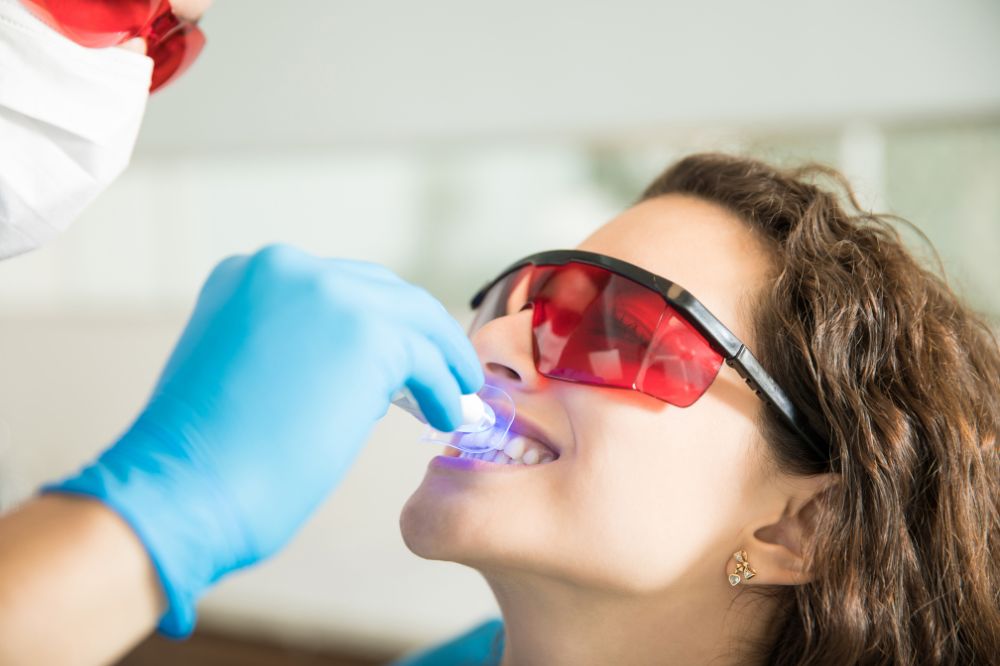
Why do at-home teeth whitening in South Miami often disappoint? Many people in South Miami try whitening strips, whitening toothpaste, or home kits to make their teeth look whiter. These products may seem easy to use, but they do not always give the results people expect. Some people may notice tooth sensitivity or uneven whitening. At-home whitening products may help remove some surface stains, but using them too often or without professional advice can cause discomfort and poor results. Understanding their limits can help you make better choices for your smile.
Why Do At-Home Whitening Treatments Often Fail?
Many whitening products promise quick results, but not all stains can be removed with home whitening treatments.
Common reasons whitening may not work include:
- Stains that develop as you get older
- Deep stains inside the teeth
- Crowns, fillings, or other dental work
- Not using the product correctly.
- Expecting results that the product cannot provide
If the reason for tooth discoloration is not identified first, whitening products may not make a noticeable difference.
The Frustration of Seeing No Difference Even After Weeks of Daily Whitening
One of the most common complaints is the frustration of seeing no difference even after weeks of daily whitening.
Many people spend weeks carefully following instructions, only to notice little or no improvement. This can happen because:
- The stains are too deep for over-the-counter products.
- The whitening strength is too low.
- The treatment is not suitable for the type of discoloration.
- Existing crowns or fillings do not whiten.
Repeated attempts often lead to disappointment and unnecessary spending without achieving the desired smile.
Can Repeated Whitening Cause Tooth Sensitivity?
Tooth sensitivity is a common problem that can happen when whitening products are used too often.
Signs of whitening-related sensitivity may include:
- Sharp pain when drinking cold drinks
- Discomfort when eating hot foods
- Pain while brushing your teeth
- General tooth tenderness
Some people continue using whitening products even when their teeth hurt. However, using these products too often can make sensitivity worse and may cause other dental problems.
Is Your Enamel Getting Permanently Damaged From Repeated Failed Whitening Attempts?
Enamel is the hard outer layer of your teeth. Using whitening products too often may lead to:
- Sensitive teeth
- Rough tooth surfaces
- Gum irritation
- More staining over time
Because enamel does not grow back, it is important to protect it when whitening your teeth.
Why Do Some Teeth Whiten Unevenly?
Many people expect all of their teeth to become the same shade after whitening. However, whitening products do not always work evenly.
Uneven whitening can happen because of:
- Different amounts of staining on each tooth
- Fillings, crowns, or other dental work
- Worn enamel on some teeth
- Uneven use of the whitening product
As a result, some teeth may look whiter, while others remain darker, creating an uneven smile.
What Problems Can Overusing Whitening Products Cause?
Using whitening products too often can sometimes cause problems rather than improve your smile.
Possible problems include:
- Sore or irritated gums
- Sensitive teeth
- Damage to the tooth surface
- Uneven whitening
- Pain when eating or drinking hot or cold foods
Always use whitening products as directed. If you are not seeing the results you want, talk to a dental professional.
How Professional Whitening Differs From Home Treatments
Professional whitening begins by identifying the cause of tooth discoloration before treatment.
Benefits of professional whitening may include:
- A treatment plan made for your needs
- Regular checks to protect your teeth and gums
- More consistent whitening results
- Lower risk of using whitening products too much
- Tips to help your smile stay brighter longer
A dentist in South Miami can examine your teeth and recommend the safest whitening option for your smile.
When Should Professional Advice Be Considered?
Professional evaluation may be helpful when:
- Whitening products are not working.
- Teeth become sensitive
- Stains continue to worsen.
- Results appear uneven
- There are concerns about enamel health.
Seeking guidance early can prevent unnecessary frustration and help avoid additional dental concerns.
How to Protect Teeth While Improving Smile Appearance
Keeping your smile bright takes more than using whitening products.
Simple habits that can help include:
- Brushing your teeth every day
- Flossing daily
- Drinking and eating fewer foods that cause stains
- Visiting a dental office near you for regular checkups
- Following your dentist’s advice
If you are considering teeth whitening near you, understanding the cause of your tooth discoloration can help you choose the right whitening treatment.
Discover a More Effective Path to a Brighter Smile!
A brighter smile should not come at the cost of pain or discomfort. Understanding what at-home whitening products can and cannot do may help you avoid sensitive teeth and disappointing results. Professional whitening can be a safer way to achieve a brighter smile. Contact Mirage Dental Arts today to learn more about whitening options and complete dental care.
FAQs:-
1. Why do some at-home whitening products not work?
Some stains are too deep for over-the-counter products. The cause of discoloration and the strength of the whitening product both affect the outcome.
2. Can whitening strips damage teeth?
When used as directed, whitening strips are generally considered safe. However, excessive or improper use may contribute to sensitivity and irritation.
3. Why are my teeth still yellow after whitening?
Some stains are harder to remove with home whitening products. Teeth may still look yellow due to deep stains, aging, or existing dental work, such as crowns or fillings.
4. How can I protect my enamel while whitening?
Use whitening products as directed and avoid overuse. If you have concerns, talk to a dental professional before starting treatment.