
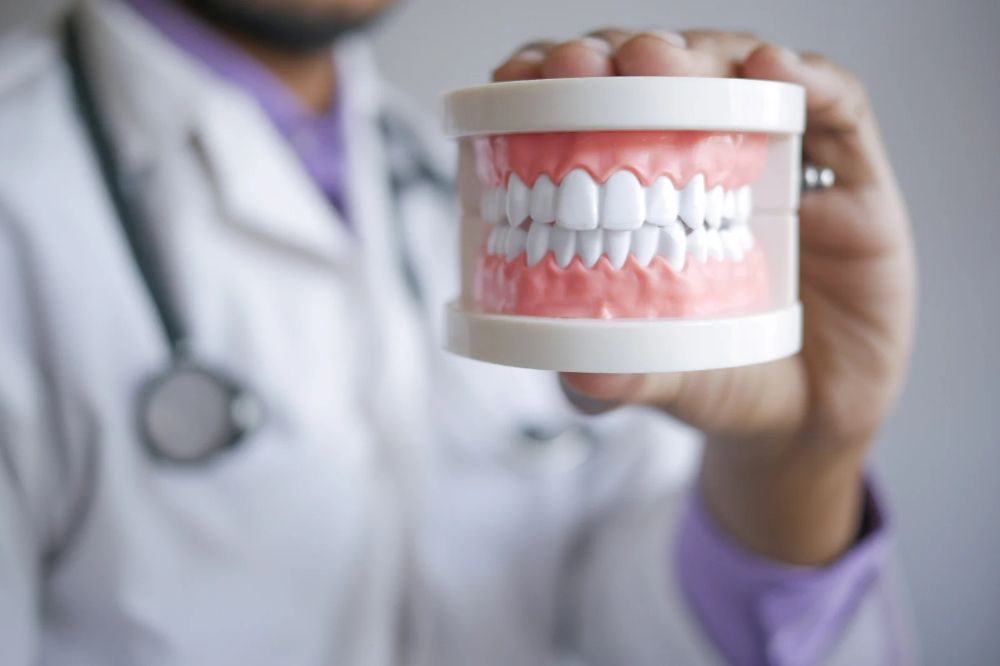
Dentures can become loose when the shape of your gums and jaw changes, the dentures wear down, or the fit is no longer right. Loose dentures may slip while eating or speaking, rub against your gums, or cause sore spots. A dentist can examine your mouth and dentures to find the cause and suggest a suitable solution. If you wear dentures in South Miami, regular dental visits can help identify changes in fit before they become more uncomfortable. Dentures should feel stable enough for everyday use, although they may take time to get used to. If yours move often or cause pain, do not ignore the problem. The right adjustment or replacement may help improve comfort and function.
Why Do Dentures Become Loose Over Time?
The most common reason is a change in the jawbone and gums. After teeth are removed, the bone that once supported them gradually changes shape. As the gums and jaw shrink, dentures made for the earlier shape may no longer fit closely.
Other common causes include:
- Normal wear: Daily chewing and cleaning can wear down denture materials over time.
- Changes in weight: Major weight changes may affect the shape of the tissues around the mouth.
- Damage: A crack, bend, or broken part can change how dentures sit.
- Poor fit: Dentures that were not fitted well may move more easily.
- Dry mouth: Less saliva can make dentures feel less comfortable and may affect how they stay in place.
A dentist in South Miami can check whether the problem comes from changes in your mouth, damage, or the denture’s original fit.
Can Loose Dentures Cause Problems?
Yes. Dentures that move around can affect more than your comfort. They may make daily activities harder and irritate the tissues inside your mouth.
Signs to watch for include:
- Dentures slipping while you talk or eat.
- Sore spots, redness, or cuts on your gums.
- Food getting trapped under the denture.
- Clicking or movement when you open your mouth.
- Difficulty chewing certain foods.
- A change in how your dentures sit or feel.
Do not try to fix a poor fit by bending, cutting, or adjusting the dentures yourself. This may damage them or cause injury. If they cause ongoing pain, stop wearing them temporarily if needed and contact a dental professional for advice.
How Can Loose Dentures Be Fixed?
The right solution depends on why the dentures are moving. A dental professional will check the fit, your gums, and the condition of the denture before recommending treatment.
Possible solutions include:
- Adjustment: Small changes may improve the fit and reduce rubbing.
- Relining: A new layer of material is added to the denture’s inner surface to match changes in your gums.
- Repair: Cracks or other damage may require professional repair.
- Replacement: Dentures that are badly worn or no longer fit well may need to be remade.
- Denture adhesive: Some adhesives can provide extra hold when used as directed, but they do not replace a proper fit.
If you are looking for dentures near you, choose a dental professional who can assess both the dentures and your oral health. Adhesives should not be used to hide a denture that has become very loose.
What Is the Difference Between Full and Partial Dentures?
Full dentures replace all the teeth in the upper or lower jaw. Partial dentures replace only some missing teeth and use the remaining teeth for support. Both types can become loose over time, but for different reasons.
Full dentures may become loose when the gums and jaw change shape. Partial dentures may move if the remaining teeth shift or the dentures no longer fit well. Regular dental visits help keep your dentures comfortable and fitting properly.
How Long Do Dentures Usually Last?
Dentures often last about five to ten years, but this can vary depending on the material, how well you care for them, and changes in your mouth. Sometimes, they may need to be adjusted or have their fit improved before you need new ones.
Clean your dentures as advised, handle them with care, and visit your dentist regularly. Even if they look fine, they may stop fitting well as your gums and jaw change. A dental office near you can check your dentures and tell you if they need adjusting, refitting, or replacing.
Get Help With Uncomfortable Dentures
Loose dentures can make eating, speaking, and smiling less comfortable, but you may not need a completely new set to solve the problem. Mirage Dental Arts can assess your dentures, identify the cause of movement, and discuss suitable options to improve the fit. Contact Mirage Dental Arts to book an appointment and get help making your dentures more comfortable.
Frequently Asked Questions
Can dentures become loose even if they are new?
Yes. New dentures may need adjustments as you get used to them. If they move a lot or cause pain, contact your dentist rather than waiting for the problem to resolve on its own.
Should I sleep with my dentures in?
Many people are advised to remove their dentures at night to let the gums rest. Follow your dentist’s instructions, especially if you have been given specific advice after treatment.
Can denture adhesive make loose dentures fit properly again?
Adhesive may improve hold for a short time, but it cannot correct major changes in fit. If you need more adhesive than usual, have your dentures checked.
Can loose dentures affect eating?
Yes. Moving dentures can make chewing uncomfortable and may limit the foods you can eat. A better fit can help improve comfort and chewing ability.